PFBC Promotes PA's Recreational Waterways Fun
By Jeff Falk
Water, which chemically is made up of two molecules of hydrogen and one molecule of oxygen, covers about 71% of the world’s surface.
Water, which chemically is made up of two molecules of hydrogen and one molecule of oxygen, covers about 71% of the world’s surface.
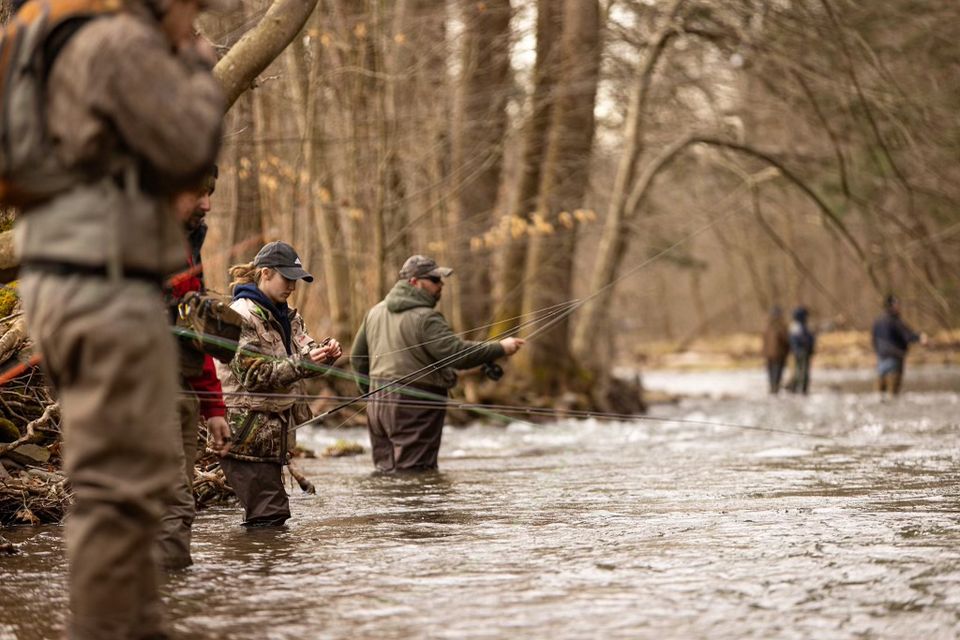
There’s something indescribably special about being on the water, about being around the water, about being in the water. Pennsylvania offers a wealth of unique opportunities and water-related activities for the outdoorsy types.
The role of the Pennsylvania Fish and Boat Commission (PFBC) is to protect and preserve those water resources and assure that everyone has equal access to them. The 160-year-old agency’s mission also includes promoting and advocating for anglers, boaters and outdoor activities related to water.
“Getting outdoors is important; it’s where we can get away from the hustle and bustle of our everyday lives,” said Mike Parker, who’s been PFBC’s communications director for eight years. “There’s a calming effect when you’re on the water. There’s a challenge to catching fish, and you can keep and eat fish in Pennsylvania. It’s a fun way to spend time. Fishing is a lifetime activity. It’s something you can start at a very young age and continue through retirement.”
“You can get out of it what you put into it,” continued Parker. “The opportunities come in different sizes. When people spend time along the water, they start to appreciate the treasure that’s in their backyard. (We at the PFBC are) the ones entrusted with the funds and expertise. But it’s the people out on the water who help us accomplish our mission.”
Headquartered at 1601 Elmerton Ave., Harrisburg, PFBC operates six regional offices across the state – in the southeast in Lititz, in the northeast in Sweet Valley, in the southcentral in Newville, in the northcentral in Bellefonte, in the southwest in Somerset and in the northwest in Meadville. An independent commonwealth agency, PFBC is overseen by a board of 10 volunteer commissioners who are appointed by the governor and approved by the senate.
PFBC sponsors and conducts a number of programs and activities, including education programs, trout stocking, habitat and conservation, grant programs and access and facilities management. The commission also operates 12 fish hatcheries throughout the state.
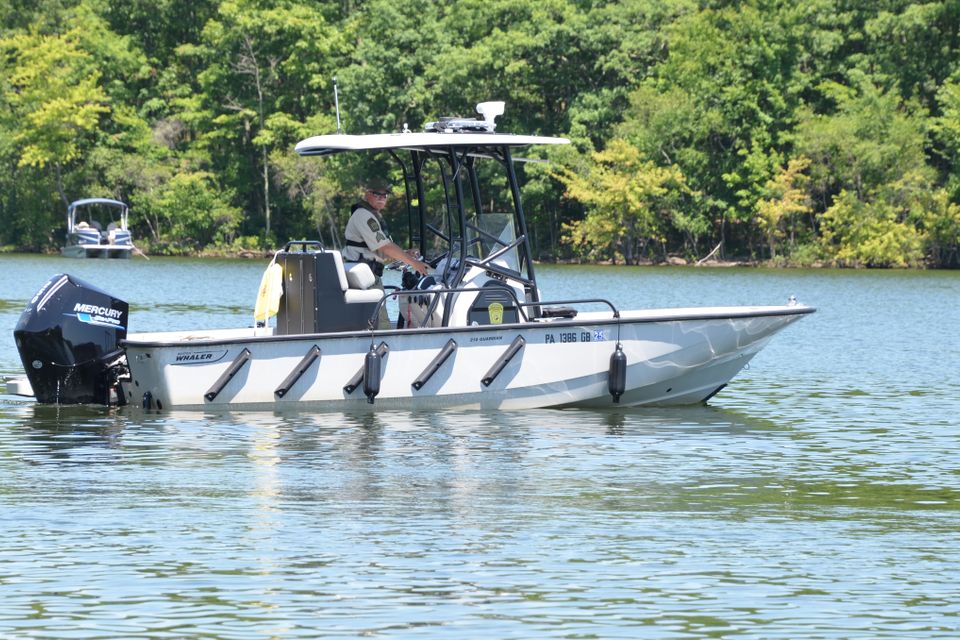
“Boaters and anglers are who we serve,” said Parker. “We have a law enforcement component to what we do. Our waterways conservation officers are the faces of our agency. They live locally in their districts, and no one knows their waterways better. In different areas, we have educators, and they regularly put on different programs that are free to the public. We do a lot of in-person events, and we do a lot of online events. We can be that introduction to learn how to do these things.”
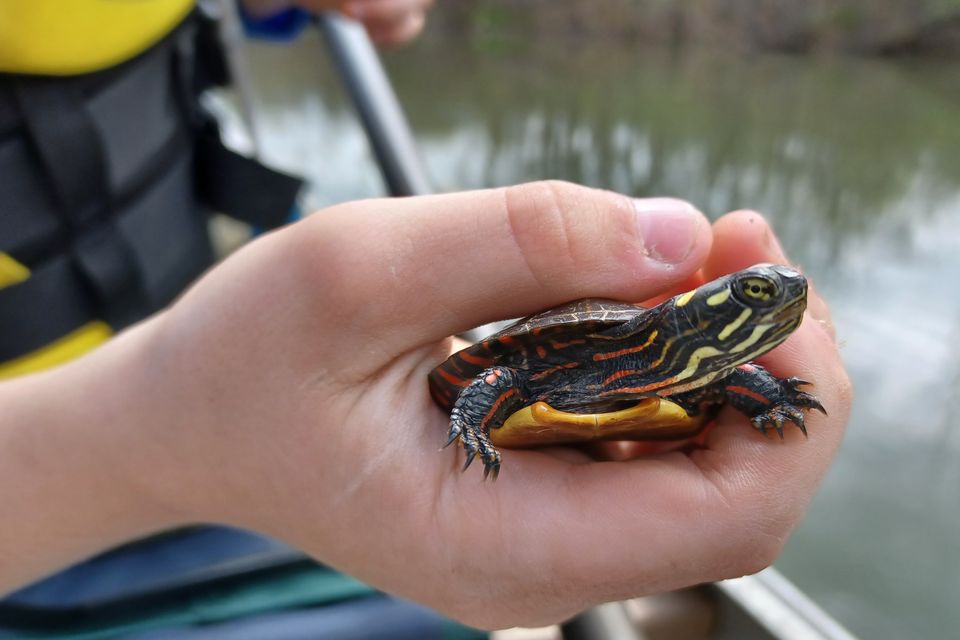
“Our mission is to protect, preserve and enhance the aquatic resources of Pennsylvania and provide fishing and boating opportunities,” Parker continued. “Protect means to make sure our resources, including fish, reptiles and native species, are here now and for future generations. Where there are opportunities to harvest these animals, it’s done in a way that’s sustainable. Our job is not only to manage resources in Pennsylvania, but also to make them better.”
PFBC employs 400 individuals, including educators, conservation officers, administrative staff, fish culturists, biologists and engineers.
The independent government agency does not receive tax revenue through the Pennsylvania General Fund, but instead is user-funded through fishing licenses, boat registrations and launch permits. One-quarter of PFBC’s operating budget is funded through federal excise tax on fishing and boating equipment and accessories.
“For a lot of people, our agency is where you buy your fish license, boat registration and launch permits,” said Parker. “When you buy a license, it goes to our programs. Through that money, we do all sorts of things. The thing is, it’s affordable. With fishing, if you buy your license early in the year, it’s good for the entire season. The more you use it, the more value it has.”
In 2024, 824,000 Pennsylvania adult residents age 16 and up purchased fish licenses. But with the participation of younger anglers, PFBC estimated a total of just under 1.5 million residents got their lines wet.
During that same time period, PFBC issued about 280,000 boat registrations.
“It’s a lot of people,” said Parker. “One of the things that makes Pennsylvania a great state is the resources, the amount of water we have and the great public access we have. It’s one thing to have water resources, but if you don’t have access, what’s the point? That’s what our agency is for.”
“It’s a very diverse group of people (using water resources),” added Parker. “It’s families; it’s men and women. It’s that person who fishes one day of the year to the person who fishes every day of the year, and everyone in between.”
Pennsylvania is home to 86,000 miles of rivers and streams, a total length of fresh water that is second only to Alaska in the United States. There are also 4,000 lakes and ponds in the state, both natural and manmade, some of which are managed by PFBC.
“We’re not coastal, but the water is there,” said Parker. “There’s a lot of public access, so it’s up to you to create your own waterway experience. We’re a freshwater state, and we’re a Great Lakes state. If you live in Pennsylvania, you are surrounded by fishing and boating opportunities that a lot of us take for granted. If you want to catch fish, a variety of fish, big fish, they’re all here, all within a short drive and year-round.”
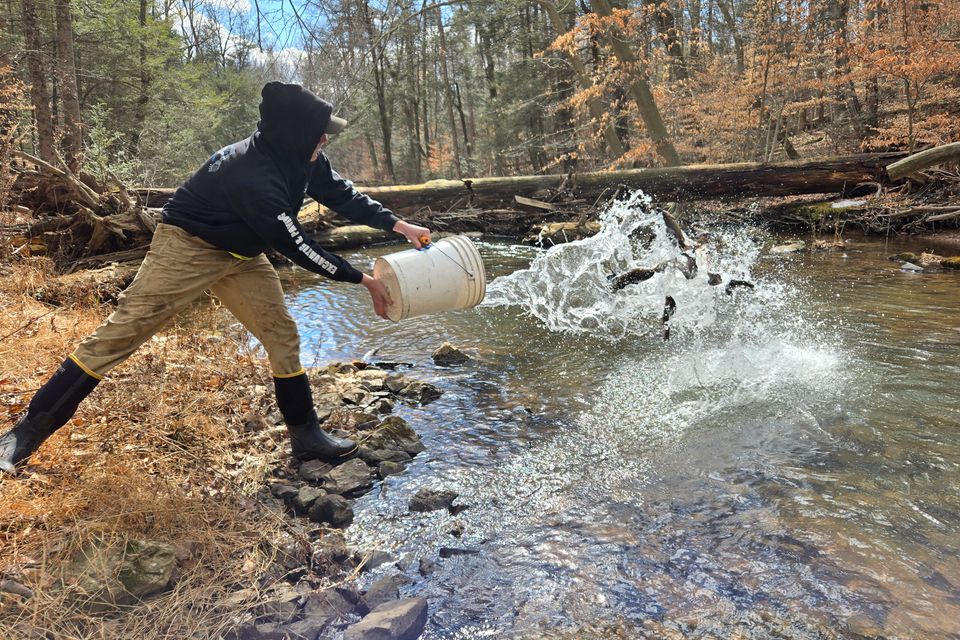
“We stock 3.2 million trout in 1,000 waterways across the state each year,” said Parker, a resident of Hershey. “Our opening day of trout season is like a holiday in Pennsylvania. For a lot of people, the social aspect of fishing is as important as catching a fish. If you surround yourself with the right people, go to the right places and learn a little bit about the area, you’ll probably be successful.”
Anglers and boaters affect the economies of local communities in a big way. According to PFBC, recreational fishing and boating combine to generate about $10 billion for the state economy each year, and fishing alone is responsible for about 30,000 jobs.
“When you purchase your fishing license and that trout permit, you’re spending about $40,” said Parker. “You’re probably going to buy some bait, a fishing reel; you might travel; you might buy a meal. That impact is incredible. Communities that embrace it can really benefit from it. People will drive hours for a new waterways experience.”
In Pennsylvania, fishing, boating and aquatic activities are a great many things to a great many people. But to many, they mean family and tradition.
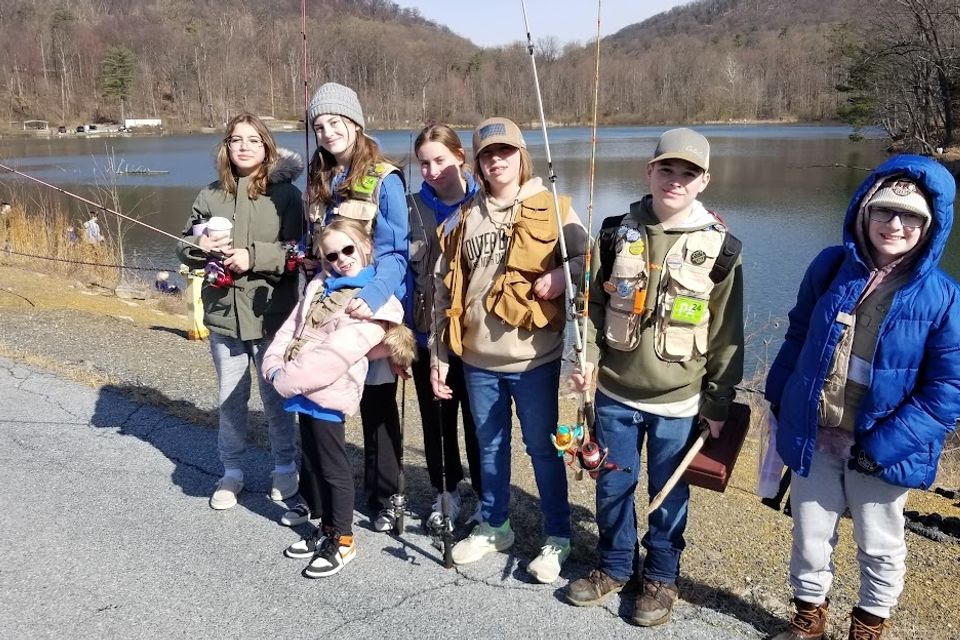
“It’s a huge family activity,” said Parker. “It’s one of the best family activities. It’s a great opportunity for families with young children. It’s really about memories, and the thing is that fishing is something you get to do over and over again.”
“It’s a great way to connect with your local resources, and it’s also a great way to see the state and other places,” continued Parker. “I would encourage people to get out there and discover those adventures that are there in your own backyard. Take a kid with you, let them discover it through their own eyes and you’ll want to do it over and over again.”
PFBC was established in Harrisburg in 1866. Many things have changed in the state since then, but some things have remained the same.
“At that time, there was a historical shad run in the Susquehanna River,” said Parker. “That’s when the agency was created. That shad was a major economic driver; it was food and it was a fun activity. There were dams being built, so the fish and boat commission’s purpose was to try to get the shad back in the river. Beyond that, it expanded into aquatics and anglers wanting to contribute to the resource. To have an agency that protects the resource, that’s where we came from.”
“(PFBC) has evolved in that the mission has expanded,” concluded Parker. “Our focus has become preserving resources that have always been here. Ultimately, we’re just trying to continue to make sure Pennsylvania is a great place to go fishing and boating and that people have access, now and into the future.”
For additional information, go to www.pa.gov/agencies/fishandboat.
The role of the Pennsylvania Fish and Boat Commission (PFBC) is to protect and preserve those water resources and assure that everyone has equal access to them. The 160-year-old agency’s mission also includes promoting and advocating for anglers, boaters and outdoor activities related to water.
“Getting outdoors is important; it’s where we can get away from the hustle and bustle of our everyday lives,” said Mike Parker, who’s been PFBC’s communications director for eight years. “There’s a calming effect when you’re on the water. There’s a challenge to catching fish, and you can keep and eat fish in Pennsylvania. It’s a fun way to spend time. Fishing is a lifetime activity. It’s something you can start at a very young age and continue through retirement.”
“You can get out of it what you put into it,” continued Parker. “The opportunities come in different sizes. When people spend time along the water, they start to appreciate the treasure that’s in their backyard. (We at the PFBC are) the ones entrusted with the funds and expertise. But it’s the people out on the water who help us accomplish our mission.”
Headquartered at 1601 Elmerton Ave., Harrisburg, PFBC operates six regional offices across the state – in the southeast in Lititz, in the northeast in Sweet Valley, in the southcentral in Newville, in the northcentral in Bellefonte, in the southwest in Somerset and in the northwest in Meadville. An independent commonwealth agency, PFBC is overseen by a board of 10 volunteer commissioners who are appointed by the governor and approved by the senate.
PFBC sponsors and conducts a number of programs and activities, including education programs, trout stocking, habitat and conservation, grant programs and access and facilities management. The commission also operates 12 fish hatcheries throughout the state.
“Boaters and anglers are who we serve,” said Parker. “We have a law enforcement component to what we do. Our waterways conservation officers are the faces of our agency. They live locally in their districts, and no one knows their waterways better. In different areas, we have educators, and they regularly put on different programs that are free to the public. We do a lot of in-person events, and we do a lot of online events. We can be that introduction to learn how to do these things.”
“Our mission is to protect, preserve and enhance the aquatic resources of Pennsylvania and provide fishing and boating opportunities,” Parker continued. “Protect means to make sure our resources, including fish, reptiles and native species, are here now and for future generations. Where there are opportunities to harvest these animals, it’s done in a way that’s sustainable. Our job is not only to manage resources in Pennsylvania, but also to make them better.”
PFBC employs 400 individuals, including educators, conservation officers, administrative staff, fish culturists, biologists and engineers.
The independent government agency does not receive tax revenue through the Pennsylvania General Fund, but instead is user-funded through fishing licenses, boat registrations and launch permits. One-quarter of PFBC’s operating budget is funded through federal excise tax on fishing and boating equipment and accessories.
“For a lot of people, our agency is where you buy your fish license, boat registration and launch permits,” said Parker. “When you buy a license, it goes to our programs. Through that money, we do all sorts of things. The thing is, it’s affordable. With fishing, if you buy your license early in the year, it’s good for the entire season. The more you use it, the more value it has.”
In 2024, 824,000 Pennsylvania adult residents age 16 and up purchased fish licenses. But with the participation of younger anglers, PFBC estimated a total of just under 1.5 million residents got their lines wet.
During that same time period, PFBC issued about 280,000 boat registrations.
“It’s a lot of people,” said Parker. “One of the things that makes Pennsylvania a great state is the resources, the amount of water we have and the great public access we have. It’s one thing to have water resources, but if you don’t have access, what’s the point? That’s what our agency is for.”
“It’s a very diverse group of people (using water resources),” added Parker. “It’s families; it’s men and women. It’s that person who fishes one day of the year to the person who fishes every day of the year, and everyone in between.”
Pennsylvania is home to 86,000 miles of rivers and streams, a total length of fresh water that is second only to Alaska in the United States. There are also 4,000 lakes and ponds in the state, both natural and manmade, some of which are managed by PFBC.
“We’re not coastal, but the water is there,” said Parker. “There’s a lot of public access, so it’s up to you to create your own waterway experience. We’re a freshwater state, and we’re a Great Lakes state. If you live in Pennsylvania, you are surrounded by fishing and boating opportunities that a lot of us take for granted. If you want to catch fish, a variety of fish, big fish, they’re all here, all within a short drive and year-round.”
“We stock 3.2 million trout in 1,000 waterways across the state each year,” said Parker, a resident of Hershey. “Our opening day of trout season is like a holiday in Pennsylvania. For a lot of people, the social aspect of fishing is as important as catching a fish. If you surround yourself with the right people, go to the right places and learn a little bit about the area, you’ll probably be successful.”
Anglers and boaters affect the economies of local communities in a big way. According to PFBC, recreational fishing and boating combine to generate about $10 billion for the state economy each year, and fishing alone is responsible for about 30,000 jobs.
“When you purchase your fishing license and that trout permit, you’re spending about $40,” said Parker. “You’re probably going to buy some bait, a fishing reel; you might travel; you might buy a meal. That impact is incredible. Communities that embrace it can really benefit from it. People will drive hours for a new waterways experience.”
In Pennsylvania, fishing, boating and aquatic activities are a great many things to a great many people. But to many, they mean family and tradition.
“It’s a huge family activity,” said Parker. “It’s one of the best family activities. It’s a great opportunity for families with young children. It’s really about memories, and the thing is that fishing is something you get to do over and over again.”
“It’s a great way to connect with your local resources, and it’s also a great way to see the state and other places,” continued Parker. “I would encourage people to get out there and discover those adventures that are there in your own backyard. Take a kid with you, let them discover it through their own eyes and you’ll want to do it over and over again.”
PFBC was established in Harrisburg in 1866. Many things have changed in the state since then, but some things have remained the same.
“At that time, there was a historical shad run in the Susquehanna River,” said Parker. “That’s when the agency was created. That shad was a major economic driver; it was food and it was a fun activity. There were dams being built, so the fish and boat commission’s purpose was to try to get the shad back in the river. Beyond that, it expanded into aquatics and anglers wanting to contribute to the resource. To have an agency that protects the resource, that’s where we came from.”
“(PFBC) has evolved in that the mission has expanded,” concluded Parker. “Our focus has become preserving resources that have always been here. Ultimately, we’re just trying to continue to make sure Pennsylvania is a great place to go fishing and boating and that people have access, now and into the future.”
For additional information, go to www.pa.gov/agencies/fishandboat.