Happy Hunting
By George Deibel
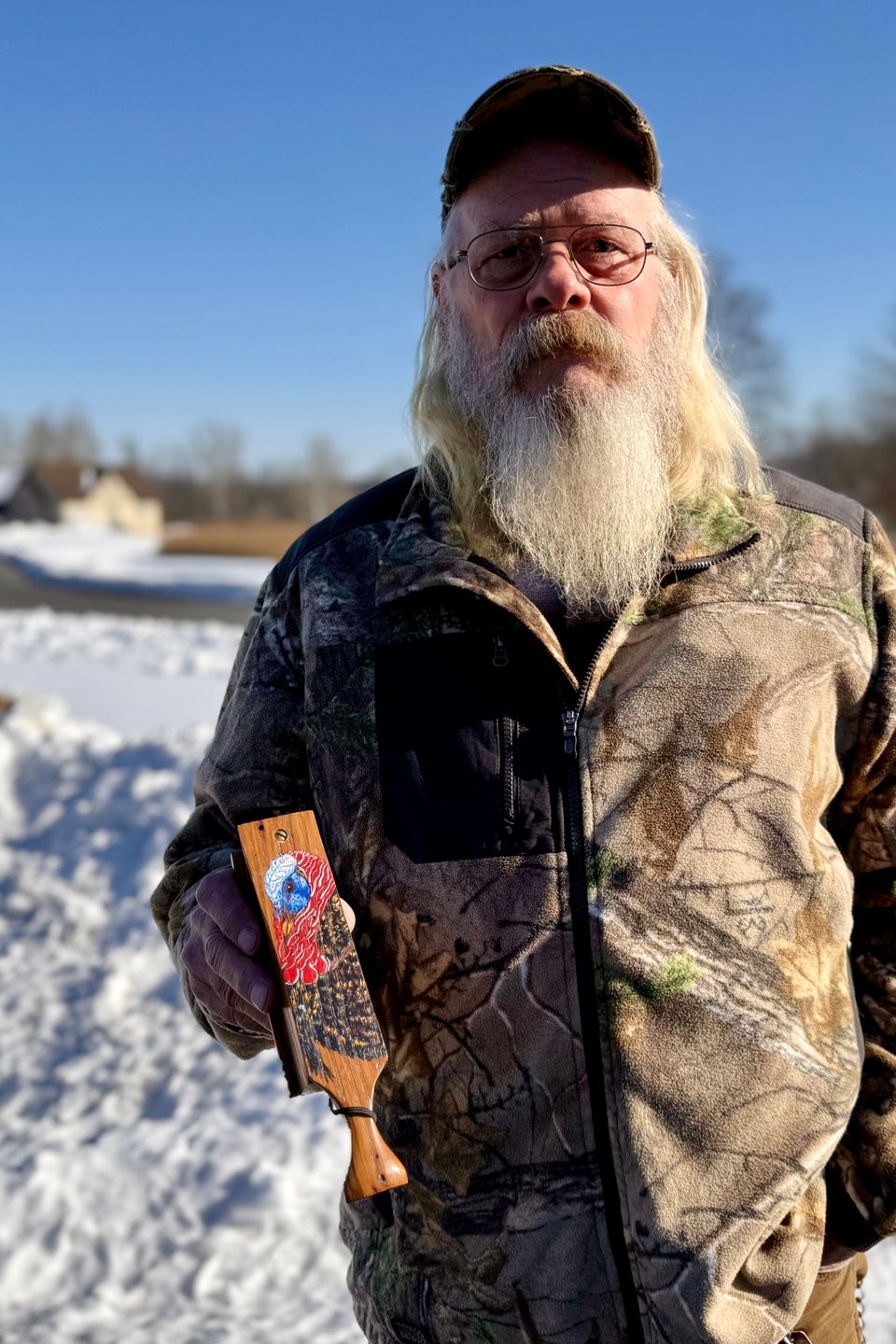
Tim Martin loves to talk turkey.
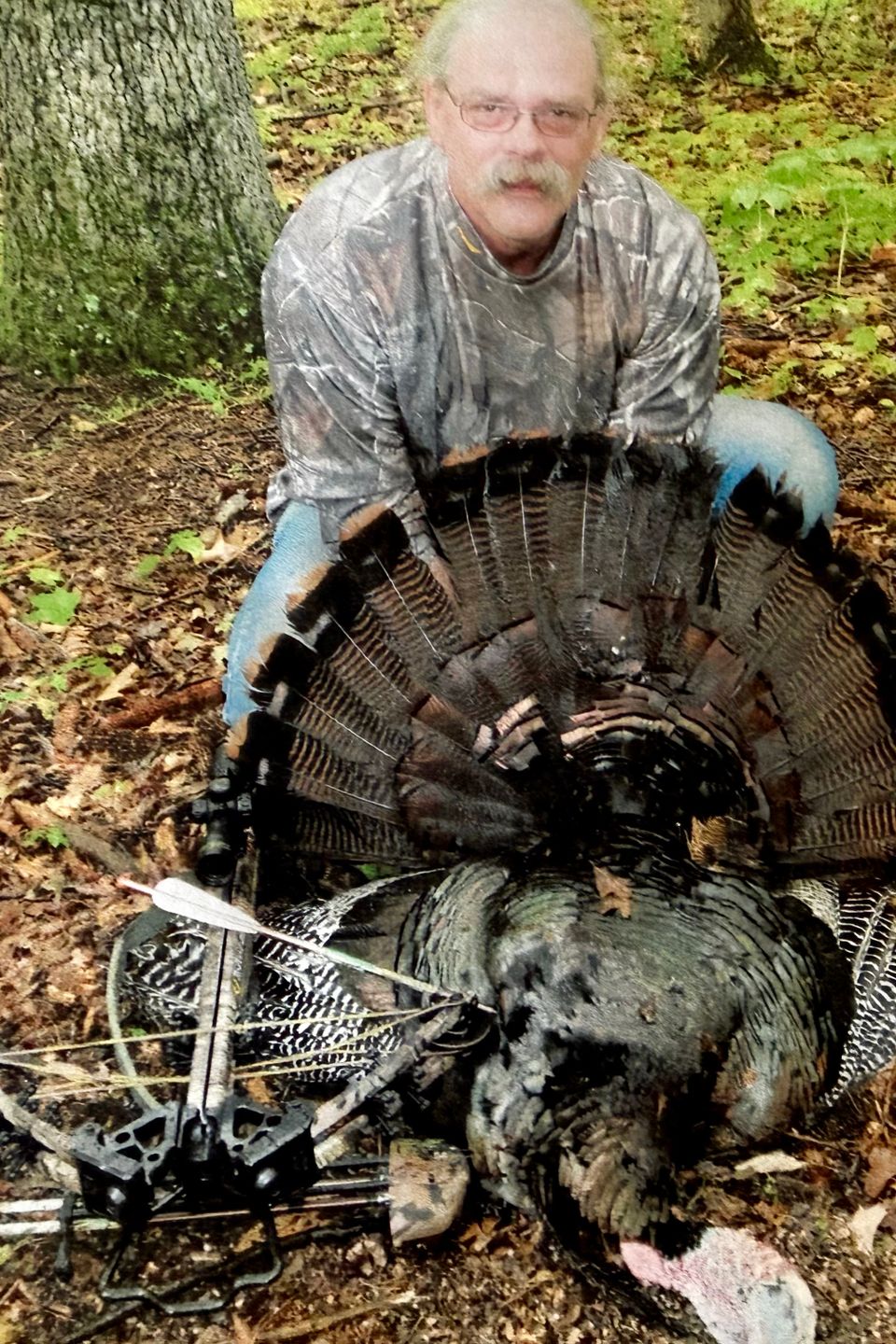
While he enjoys hunting gobblers, the Willow Street resident appreciates the scenery and heart-to-heart talks more than the harvesting.
Tim is eagerly awaiting the start of the Pennsylvania spring gobbler bearded bird season, which will begin Saturday, May 2. “I'm seeing the world wake up from a rough winter again,” he said. “It's just a good time to be out there when those gobblers bark off in the morning. There’s nothing like it. Just seeing the trees and the undergrowth and everything turning green again. Seeing life coming back. It's just a good time to be out there.”
Tim is equally ecstatic about communing with nature and communicating with people and birds. “Anymore, it's not important to kill them,” he said. “It's just talking to them, getting them to talk back, and getting them moving. That's a big thing to me. Anytime I spend a day in the woods it’s fun.”
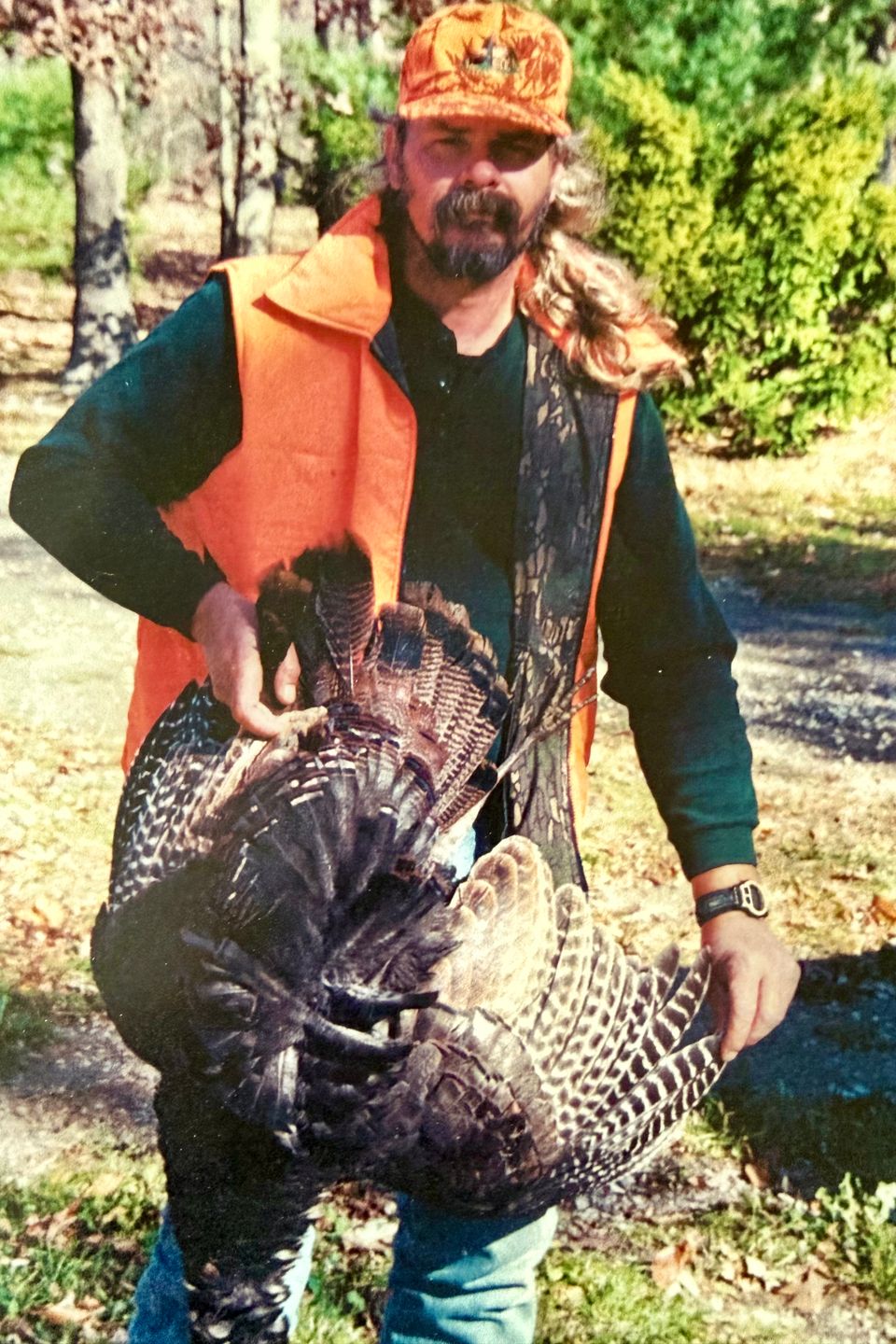
Tim has been hunting for 52 years, since he was 16 years old, starting in Bedford County with a friend, John Eshbach. Now he does most of his hunting in Huntingdon County, where he has a cabin.
The native of West Willow also likes deer hunting and has been on two expeditions for elk to Colorado, but turkeys are his favorite. He uses a 12-gauge shotgun. “It’s got knock-down power, and you're putting I don't know how many shots and BBs out there,” Tim said. “We used to be able to hunt fall birds with a rifle, but the game commission changed that. It's all shotgun now. … I think that's made the seasons safer. Safety's a big thing.”
So is keeping your composure. “Patience is one of the most important things,” said Tim. “Camouflage, no movement. Turkeys can see eight to 10 times better than you and I. If turkeys had a nose like a deer, there would be no sense hunting them because they can see and smell, but turkeys can't smell too good. They can see movement.”
That’s a lesson he learned the hard way while hunting with his friend John Ressel. “He said, ‘You're going to call this morning,’” Tim said. “I started calling, and had a bird going, and he was coming in on me, and bugs started biting me in the head. I reached up and scratched my head, and there went the bird. John said, ‘What are you doing?’”
Tim eats what he hunts. “If it's an old gobbler, I make turkey noodle soup,” he said. “If it's a younger bird, just cook them up, roast them, just like you would for Thanksgiving dinner. It’s very rewarding. It seems like it tastes better when you harvest it yourself.”
Experience has also taught Tim to do his homework. “Scouting for the birds is important to know where they're at,” he said. “What they say is putting them to bed, finding out where they're going up in the trees to roost so you have an idea where you're going in the morning to call and get them on the ground. That's usually the best way to do it; try to be reversing the roles according to nature. A gobbler gobbles for the hens to go to him, and you're trying to imitate a hen to get the gobbler to come to you. That's the tough part right there. You’re twisting nature around is what's going on.”
Tim, a former president of Southern End Strutters chapter of the National Wild Turkey Federation, relished the opportunity to mentor his nephew Cody Martin. Tim vividly recalls the moment Cody nabbed a turkey for the first time.
“I was hunting with Cody and his dad (Bill), and I had them sitting down in a little bit of a hollow, and I was up on the bank calling,” Tim said. “I heard these birds, and I heard Cody shoot, and I thought, ‘Man, that bird has got to be right in his lap.’ Then I heard this gobbler going up the hollow. I thought he missed. Well, I looked down, and my brother's standing down there, with his arms raised, like he just scored the winning touchdown in the Super Bowl. I went down, and there were two (turkeys). Cody got one, so he was a pretty happy young man at that point. I said to my brother, ‘You want to go get that other one?’ And he says, ‘Nah, let's just celebrate this.’”
Those are the kinds of stories that make the turkey hunting experience meaningful for Tim. “It's just a bond, and I see some of it fading,” he said. “It seems like it's more of a competition than the camaraderie that it used to be, sitting around, eating breakfast, and talking about what's going on for the day, and then at suppertime talking about what happened. My nephew and I have that (bond). The camaraderie is just a fellowship that’s unmatched.”
While he enjoys hunting gobblers, the Willow Street resident appreciates the scenery and heart-to-heart talks more than the harvesting.
Tim is eagerly awaiting the start of the Pennsylvania spring gobbler bearded bird season, which will begin Saturday, May 2. “I'm seeing the world wake up from a rough winter again,” he said. “It's just a good time to be out there when those gobblers bark off in the morning. There’s nothing like it. Just seeing the trees and the undergrowth and everything turning green again. Seeing life coming back. It's just a good time to be out there.”
Tim is equally ecstatic about communing with nature and communicating with people and birds. “Anymore, it's not important to kill them,” he said. “It's just talking to them, getting them to talk back, and getting them moving. That's a big thing to me. Anytime I spend a day in the woods it’s fun.”
Tim has been hunting for 52 years, since he was 16 years old, starting in Bedford County with a friend, John Eshbach. Now he does most of his hunting in Huntingdon County, where he has a cabin.
The native of West Willow also likes deer hunting and has been on two expeditions for elk to Colorado, but turkeys are his favorite. He uses a 12-gauge shotgun. “It’s got knock-down power, and you're putting I don't know how many shots and BBs out there,” Tim said. “We used to be able to hunt fall birds with a rifle, but the game commission changed that. It's all shotgun now. … I think that's made the seasons safer. Safety's a big thing.”
So is keeping your composure. “Patience is one of the most important things,” said Tim. “Camouflage, no movement. Turkeys can see eight to 10 times better than you and I. If turkeys had a nose like a deer, there would be no sense hunting them because they can see and smell, but turkeys can't smell too good. They can see movement.”
That’s a lesson he learned the hard way while hunting with his friend John Ressel. “He said, ‘You're going to call this morning,’” Tim said. “I started calling, and had a bird going, and he was coming in on me, and bugs started biting me in the head. I reached up and scratched my head, and there went the bird. John said, ‘What are you doing?’”
Tim eats what he hunts. “If it's an old gobbler, I make turkey noodle soup,” he said. “If it's a younger bird, just cook them up, roast them, just like you would for Thanksgiving dinner. It’s very rewarding. It seems like it tastes better when you harvest it yourself.”
Experience has also taught Tim to do his homework. “Scouting for the birds is important to know where they're at,” he said. “What they say is putting them to bed, finding out where they're going up in the trees to roost so you have an idea where you're going in the morning to call and get them on the ground. That's usually the best way to do it; try to be reversing the roles according to nature. A gobbler gobbles for the hens to go to him, and you're trying to imitate a hen to get the gobbler to come to you. That's the tough part right there. You’re twisting nature around is what's going on.”
Tim, a former president of Southern End Strutters chapter of the National Wild Turkey Federation, relished the opportunity to mentor his nephew Cody Martin. Tim vividly recalls the moment Cody nabbed a turkey for the first time.
“I was hunting with Cody and his dad (Bill), and I had them sitting down in a little bit of a hollow, and I was up on the bank calling,” Tim said. “I heard these birds, and I heard Cody shoot, and I thought, ‘Man, that bird has got to be right in his lap.’ Then I heard this gobbler going up the hollow. I thought he missed. Well, I looked down, and my brother's standing down there, with his arms raised, like he just scored the winning touchdown in the Super Bowl. I went down, and there were two (turkeys). Cody got one, so he was a pretty happy young man at that point. I said to my brother, ‘You want to go get that other one?’ And he says, ‘Nah, let's just celebrate this.’”
Those are the kinds of stories that make the turkey hunting experience meaningful for Tim. “It's just a bond, and I see some of it fading,” he said. “It seems like it's more of a competition than the camaraderie that it used to be, sitting around, eating breakfast, and talking about what's going on for the day, and then at suppertime talking about what happened. My nephew and I have that (bond). The camaraderie is just a fellowship that’s unmatched.”